
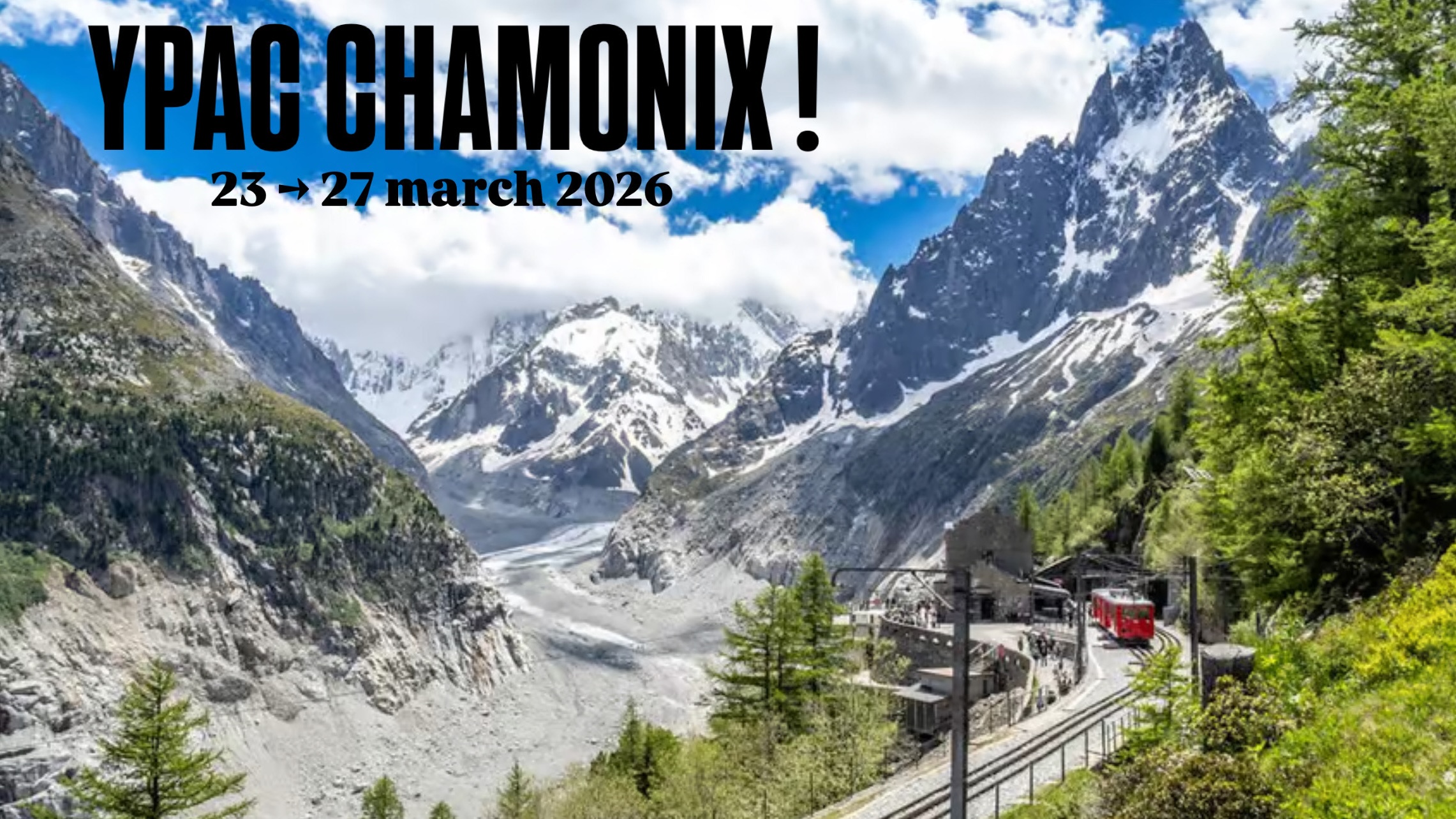
YPAC 2026
March 23rd to 26th in Chamonix
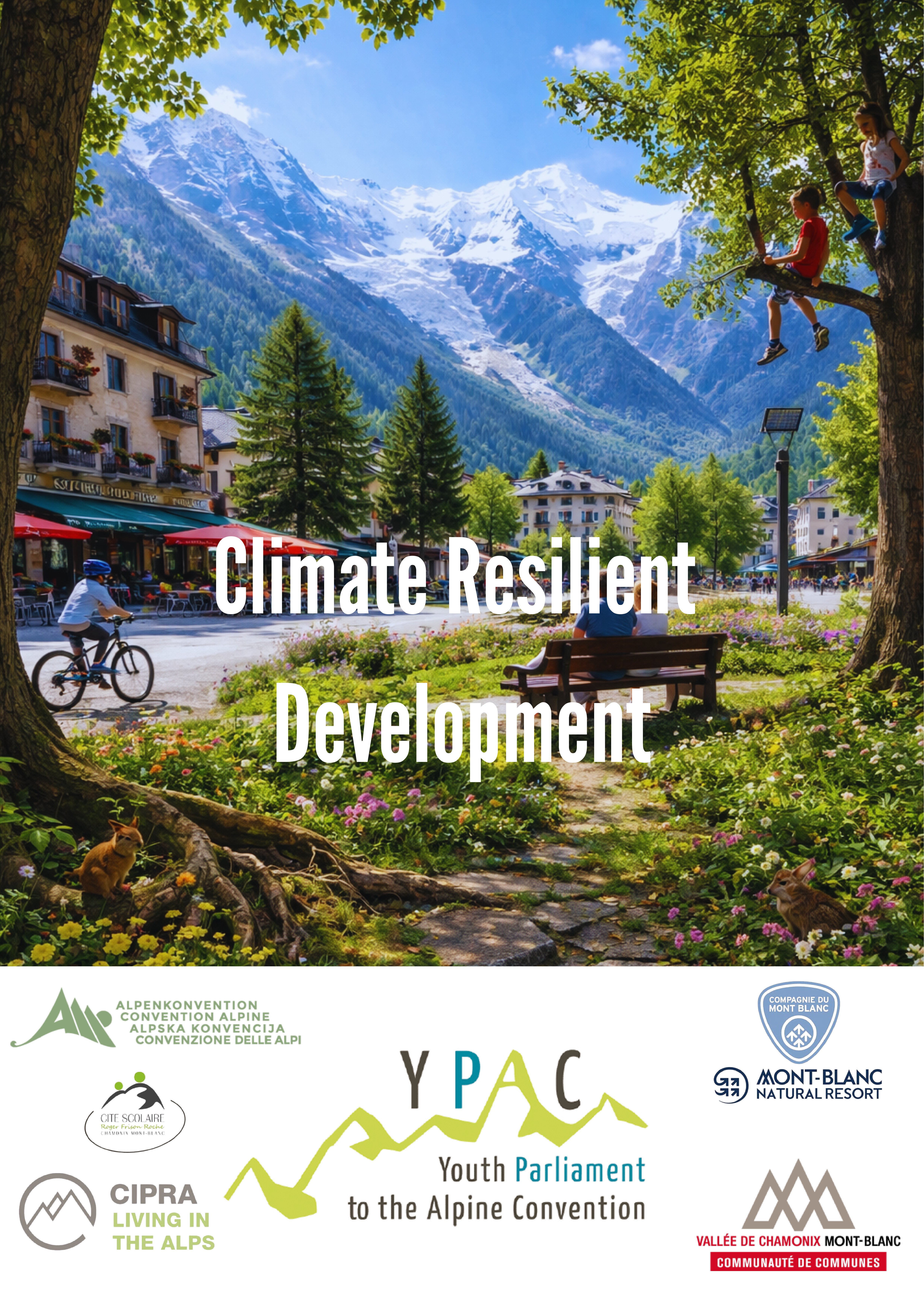
General topic: Climate Resilient Development
→ Young People tackling the Climate Crisis in the Alpine Region
What is CRD? It is the framework of solutions to fight climate change. These solutions are based on adaptation (or maladaptation), i.e. how we deal with the risks of climate change and become more resilient in the face of existing and future threats. And on mitigation, i.e. how we reduce our greenhouse gas emissions and keep the global surface temperature below 2°C to ensure a liveable future for the next generations.
A term to understand: Climate mitigation economics
What is economic mitigation? It involves using economic tools to reduce our emissions and find the most cost-effective ways to minimise our impact on the planet.
Climate mitigation economics considers the costs and benefits of various actions aimed at reducing the severity of climate change. This involves not just the direct expenses of, for example, installing solar panels, but also broader economic impacts. These impacts can range from the creation of new jobs in green industries to decreased healthcare costs due to cleaner air. It is also important to consider avoided costs, such as reduced losses from extreme weather events.
It is all about the significance of economic choices in shaping a sustainable future. It is not just about immediate costs; it is about the long-term economic health and stability of our societies and ecosystems.
The aim is to ensure that the transition to a green economy is not only possible, but also beneficial for everyone, fostering innovation, creating jobs and improving quality of life, while safeguarding the planet for future generations.
Subtopics (allocated to four committees)
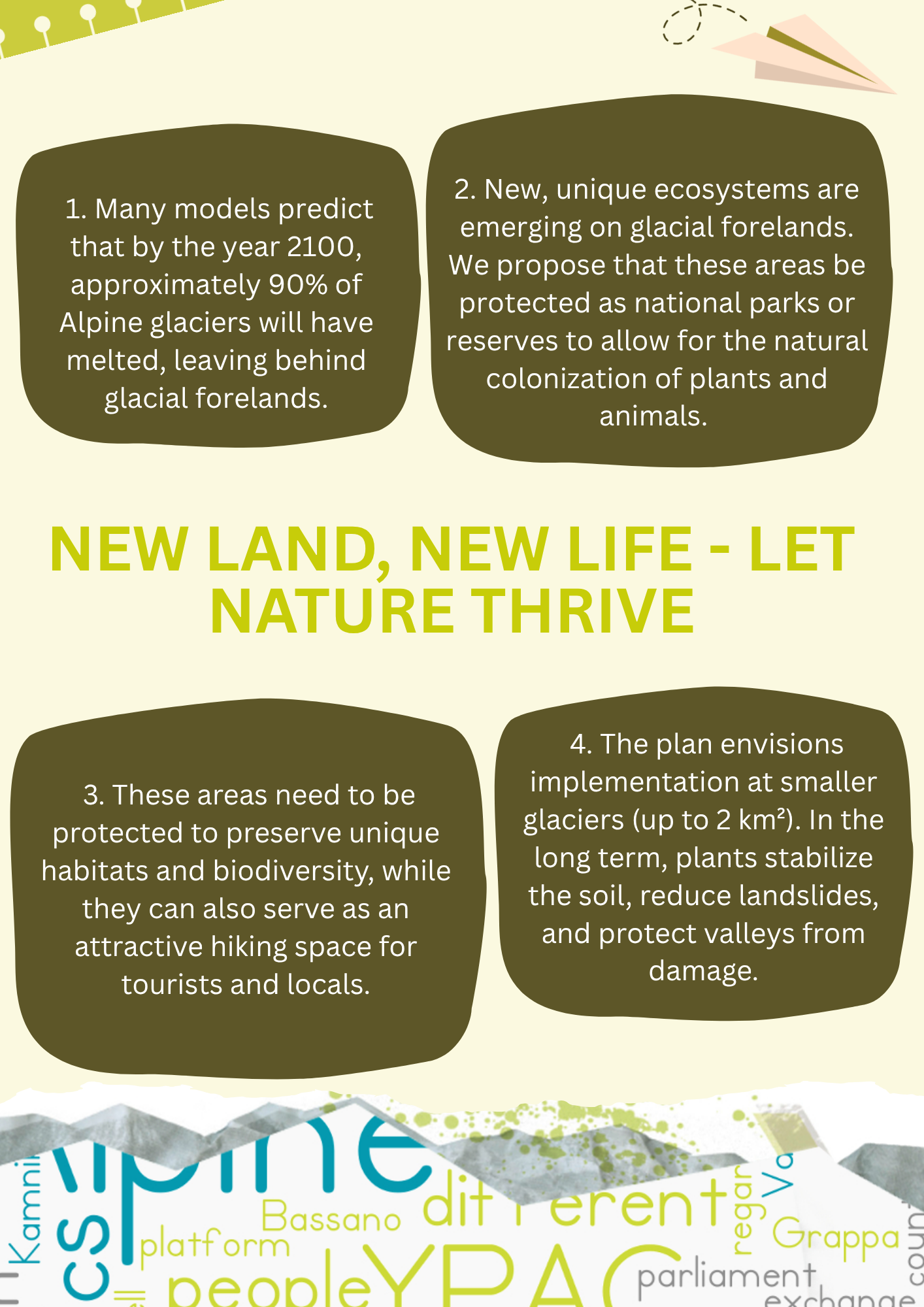
Committee 1: Glaciers
- water resources; energy resources; biodiversity; natural risks such as glacial lake outburst floods, slope instability & debris flows -
Glaciers are crucial for regulating the global climate and providing freshwater, which is essential for billions of people. But due to climate change, these vital resources are rapidly melting.
Since 2000 the glaciers have lost 40% of their total volume. Their disappearance directly affects our water reserves, our biodiversity, agriculture and industry. The impacts on some ecosystems are approaching irreversibility, such as the impacts of hydrological changes resulting from the retreat of glaciers, or the changes in some mountain ecosystems driven by permafrost thaw. In addition, the emergence of valuable post-glacial ecosystems can lead to conflicts of interest in these newly accessible areas.
→ How can we adapt to and mitigate the melting process of the glaciers?
Recommended links:
- https://www.alpconv.org/en/home/organisation/thematic-working-bodies/detail/ad-hoc-working-group-for-the-elaboration-of-the-11th-report-on-the-state-of-the-alps/
- https://goodbye-glaciers.info/
- https://www.cipra.org/fr/publications/alpenscene-ndeg-112-apres-les-glaciers → you can change the language at the top right-hand corner of the page
- https://www.cipra.org/en/news/when-mountains-break-away-living-with-danger
- https://www.cipra.org/en/news/green-instead-of-white-the-new-face-of-glaciers
- https://www.un-glaciers.org/en and https://www.un-glaciers.org/en/world-day-glaciers
ARTE TV (videos):
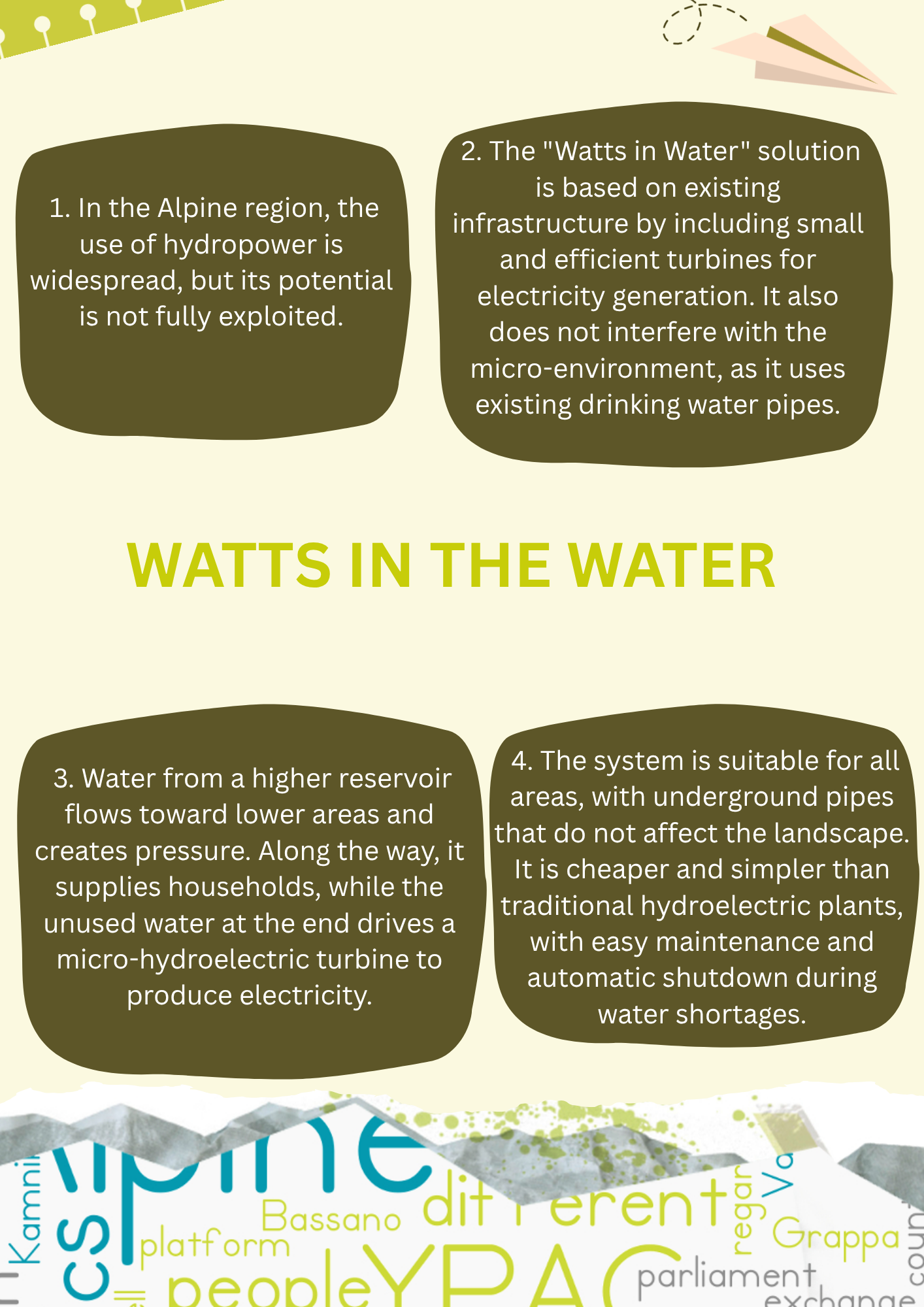
Committee 2: Energy transition in the Alps
- forestry; projects to improve energy efficiency; infrastructure; solar panels etc. -
The EU wishes to accelerate the expansion of renewable energies (Renewable Energy Directive (RED III)) and the EU Member States must report their acceleration areas for renewable energy production by February 2026. In the Alps, however, this must not come at the expense of sensitive natural areas.
Since 2023, the Compliance Committee of the Alpine Convention has been investigating whether the RED III Directive violates the objectives of the international treaty for the protection of the Alps (the Alpine Convention). This committee report states that: “RED III must not lead to the undermining of existing environmental and nature conservation measures. Member states have room for manoeuvre – and they must use it to protect the Alps consistently in accordance with the Alpine Convention.”
→ How can we promote renewable energies without harming the natural areas of the Alpine region even more?
Recommended links:
- https://alpineclimate2050.org/climate-action-plan-2-0/energy/
- https://www.alpconv.org/en/home/topics/energy/ → especially: “Selected documents and publications” → “Best practice examples for land use and nature conservation-compatible renewable energy projects in the Alps (2016)”
- https://www.alpconv.org/fileadmin/user_upload/Organisation/TWB/ACB/Cross-sectoral_Energy_Governance_2024.pdf
- https://www.cipra.org/en/publications/alpine-spatial-planning
- https://www.cipra.org/en/news/controversial-dams
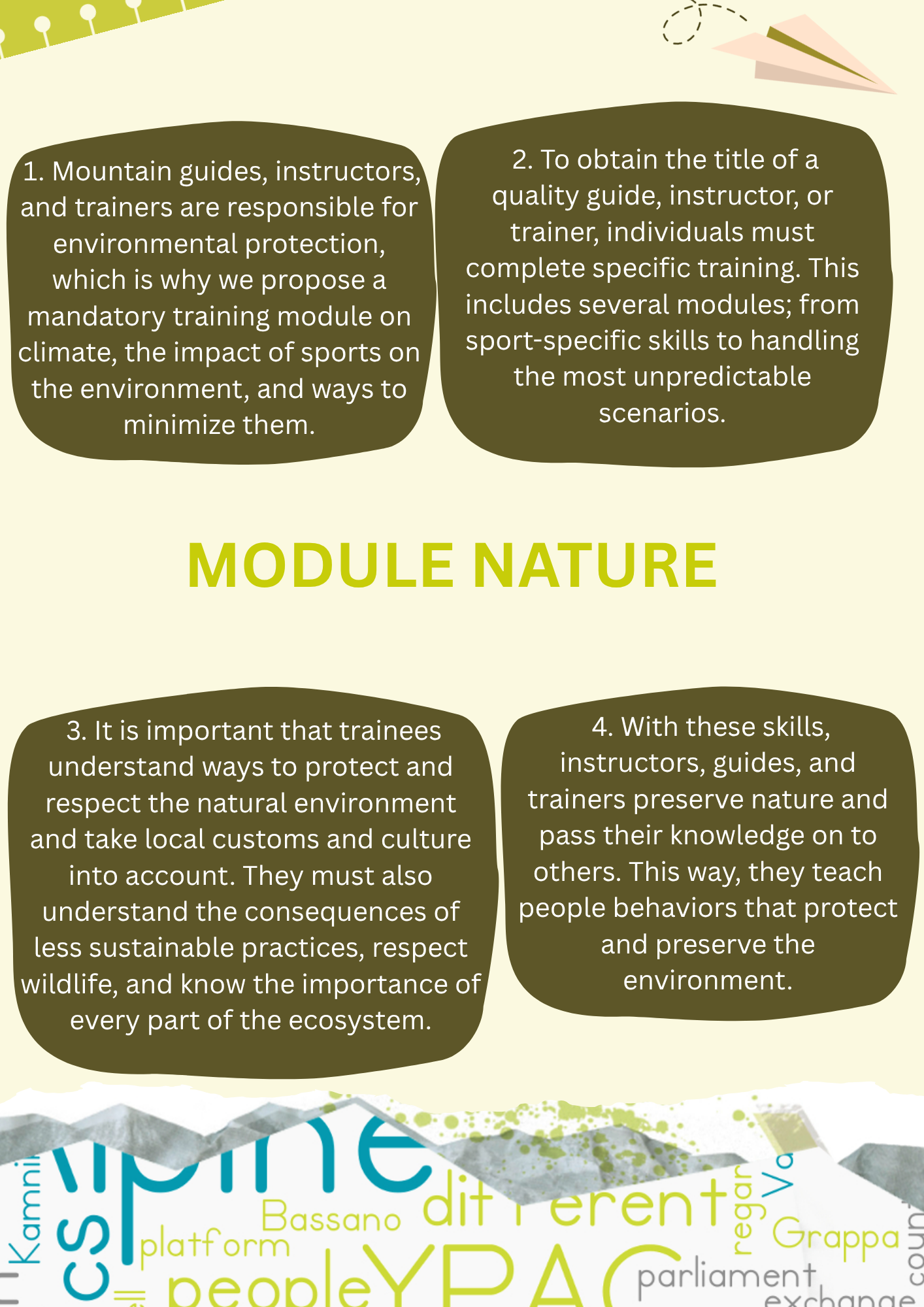
Committee 3: High-quality climate education and public awareness
- educational systems, society, mindsets, NIMBY (= not in my backyard) phenomenon -
Education is a powerful tool for building societies' resilience. So far, formal education has focused too much on imparting knowledge about environmental issues rather than inspiring action and is failing to show learners the role they can play in tackling the climate crisis.
'Greening schools and curricula is one of the best levers to tackle climate disruption in the long-term. It’s time to mainstream environmental education across school subjects, at all levels of education with an action-oriented approach that helps young people understand their power to make a difference.' Audrey Azoulay, UNESCO Director-General
Formal and informal education, including public awareness campaigns and training programmes, are critical for promoting sustainable development, improving the capacity of people and countries to address the climate crisis and reducing eco-anxiety.
→ How can we evolve from climate awareness to climate action?
Recommended links:
- https://www.alpconv.org/fileadmin/user_upload/Organisation/SL/Experiences_and_proposals_for_climate_change_education_in_the_Alps.pdf
- https://www.alpconv.org/fileadmin/user_upload/Organisation/SL/Good_practices_for_climate_education_in_the_Alps.pdf
- https://www.alpconv.org/fileadmin/user_upload/Organisation/SL/Alpine_Convention_Climate_change_education_recommendations_2025_EN.pdf
- https://unesdoc.unesco.org/ark:/48223/pf0000390022/PDF/390022eng.pdf.multi → great list of vocabulary related to climate change
- https://klimacampus.org/ → German site
Committee 4: Economic resilience in the Alps
- diversification of economic resources, green economy and quality of life -
Many Alpine towns still rely heavily on one main economic resource: tourism. The Alpine region attracts more and more tourists every year. It's a thriving business and too often still considered the only economic path to follow and to develop. It's an easy, short-term and short-sighted economic option.
The consequences are dramatic for both the inhabitants (mountain gentrification with high cost of living, too little affordable accommodation, which drives people away; regular tourist spikes, which put enormous strain on both the existing infrastructure and the inhabitants, etc.) and the environment (heavy, ).
Moreover, a single-resource economy is neither resilient nor sound. The basic needs like food and energy are mostly imported, which makes many Alpine towns extremely dependent and economically fragile in the long term.
→ How can we make the economy of the Alpine region more resilient, fairer and more sustainable in the face of climate change?
Recommended links:
- https://www.alpconv.org/fileadmin/user_upload/Publications/Climate2050_EN.pdf
- https://www.atlas.alpconv.org/maps/new?layer=geonode:RSA_I_IND_6_Tourism_Intensity_Alps&view=True&layer=geonode: Alpine_Convention_Perimeter_2025 → map that shows tourism intensity in Alpine municipalities
- https://www.alpine-space.eu/project/beyondsnow/ → by clicking on “outputs” you get the results, this one provides a good first insight

Materials for preparation
For the preparation of all committees we recommend the following publications of the Permanent Secretariat of the Alpine Convention:
https://www.alpconv.org/en/home/topics/climate-change/
https://alpineclimate2050.org/
https://www.atlas.alpconv.org/
IPCC report 2023, 'Summary for Policymakers':
https://www.ipcc.ch/report/ar6/syr/downloads/report/IPCC_AR6_SYR_SPM.pdf
UNEP (United Nations Environment Program): https://www.unep.org/
→ go to: 'What we do’ (for information according to themes) and ‘News, Stories & Speeches’
CIPRA website: https://www.cipra.org/en/cipra?set_language=en
Delegations
Here are the teams of Chamonix 2026:
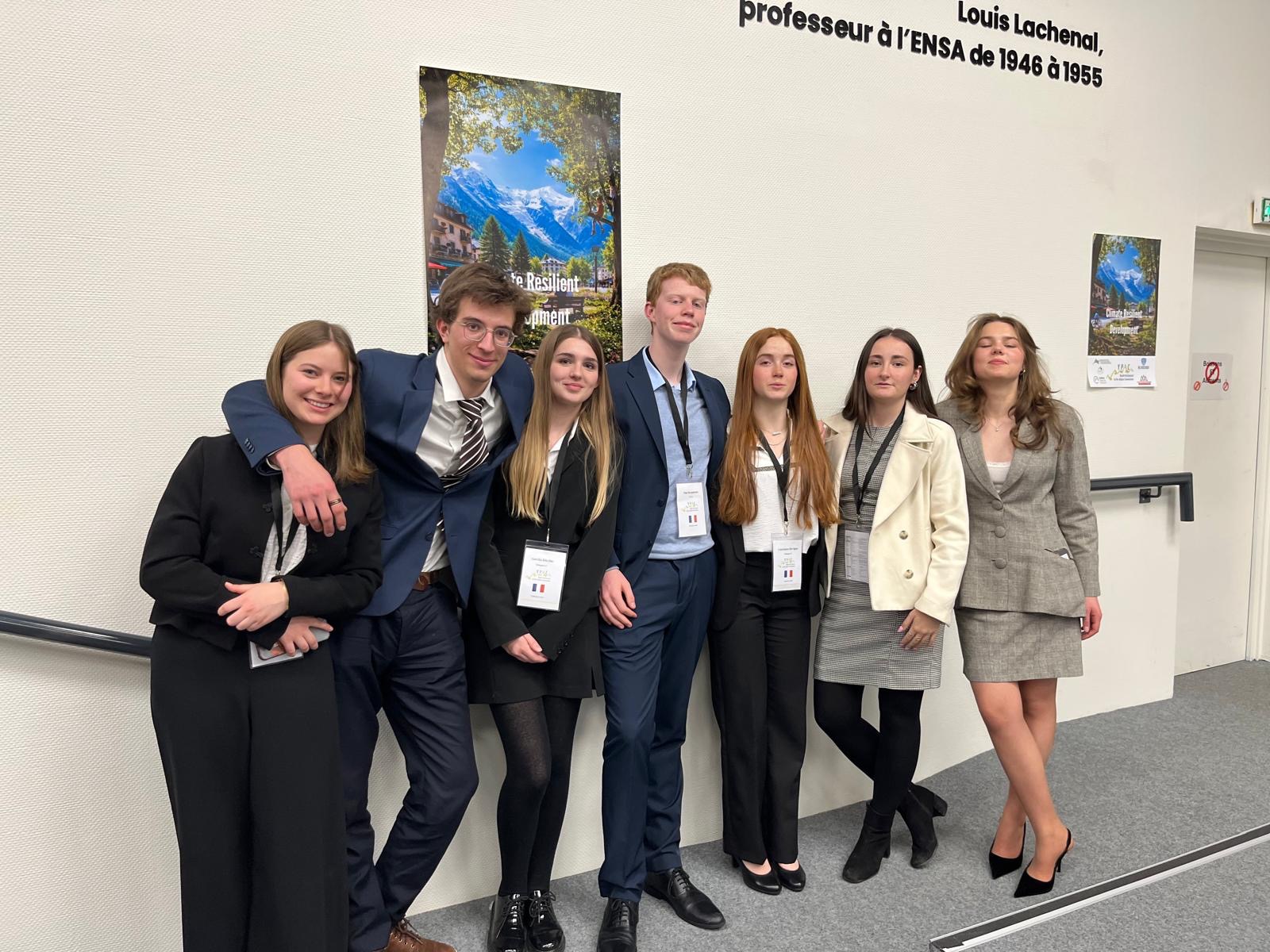
Team Chamonix
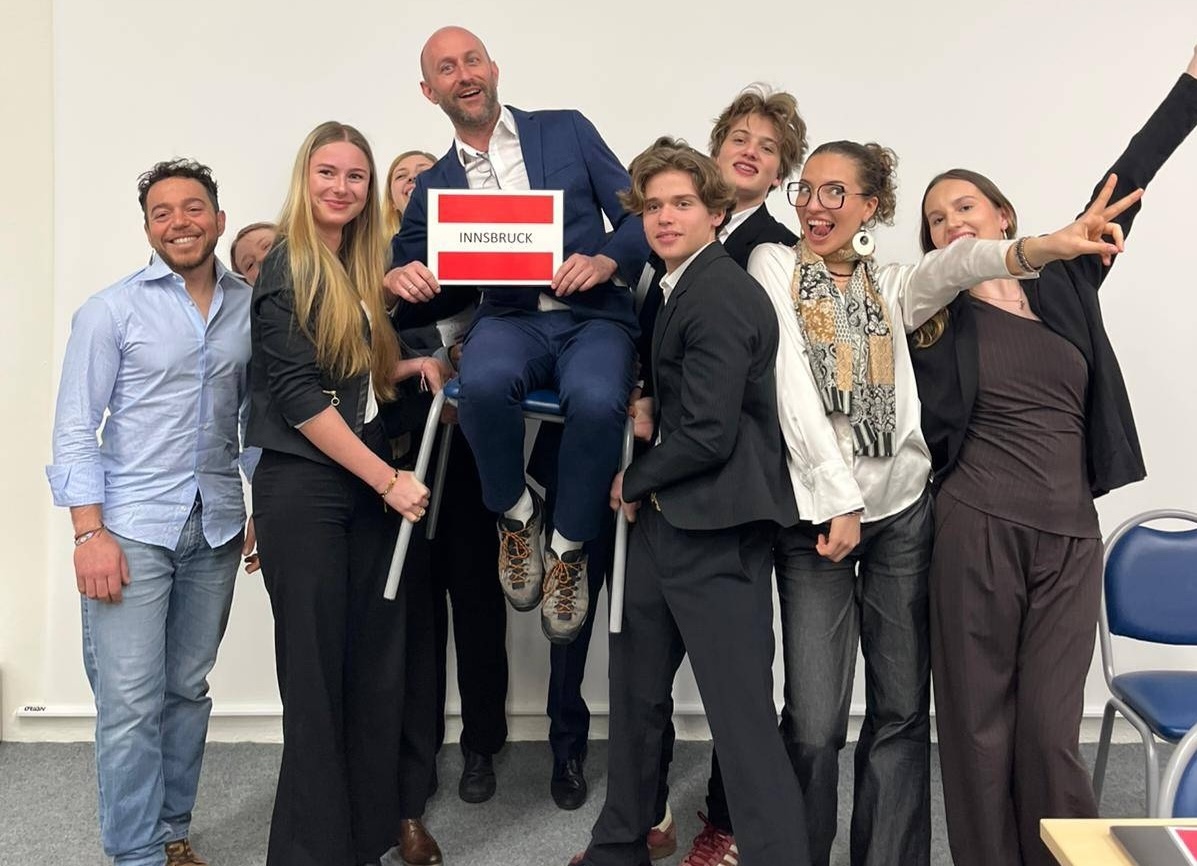
Team Innsbruck
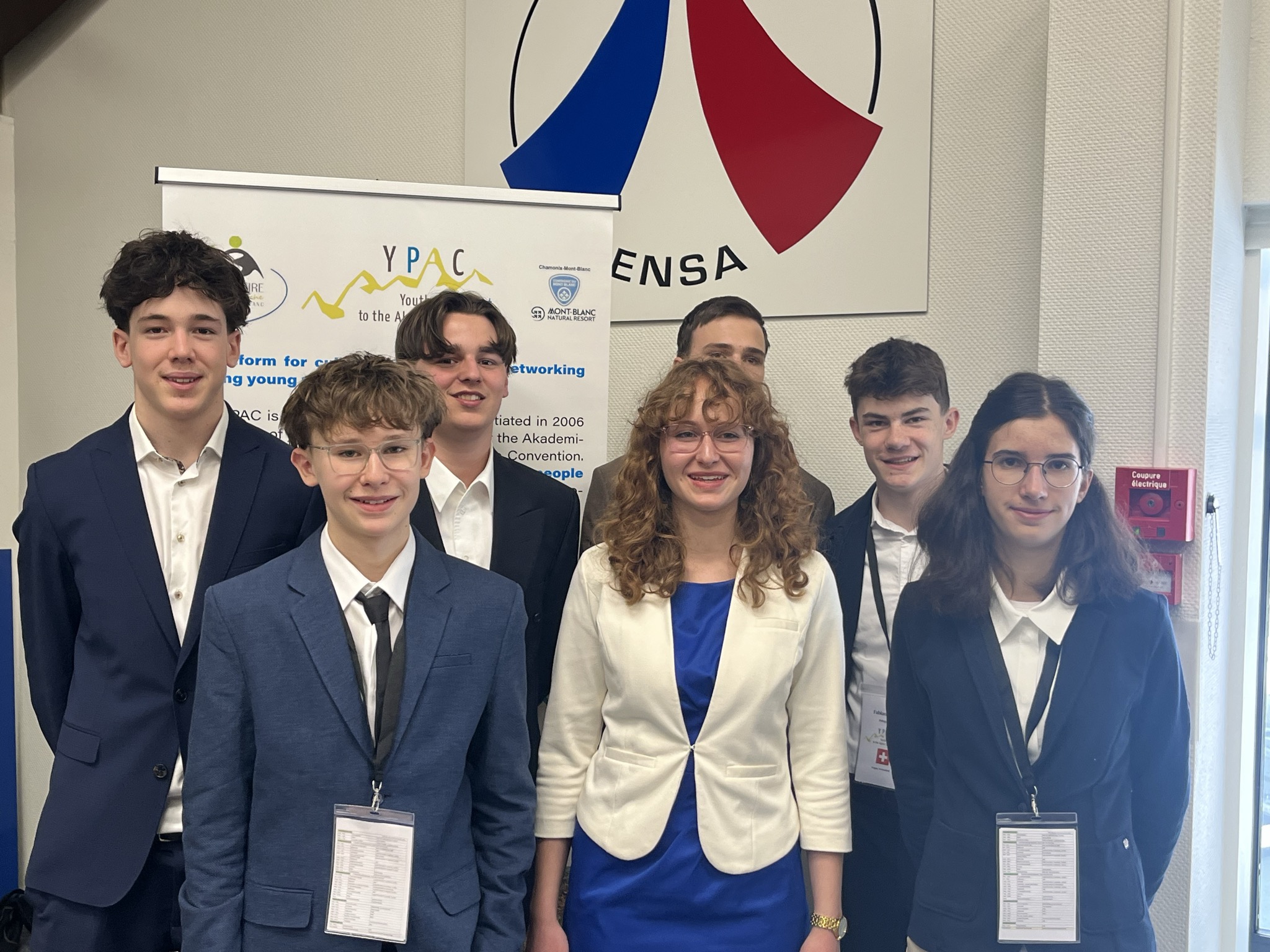
Team Trogen
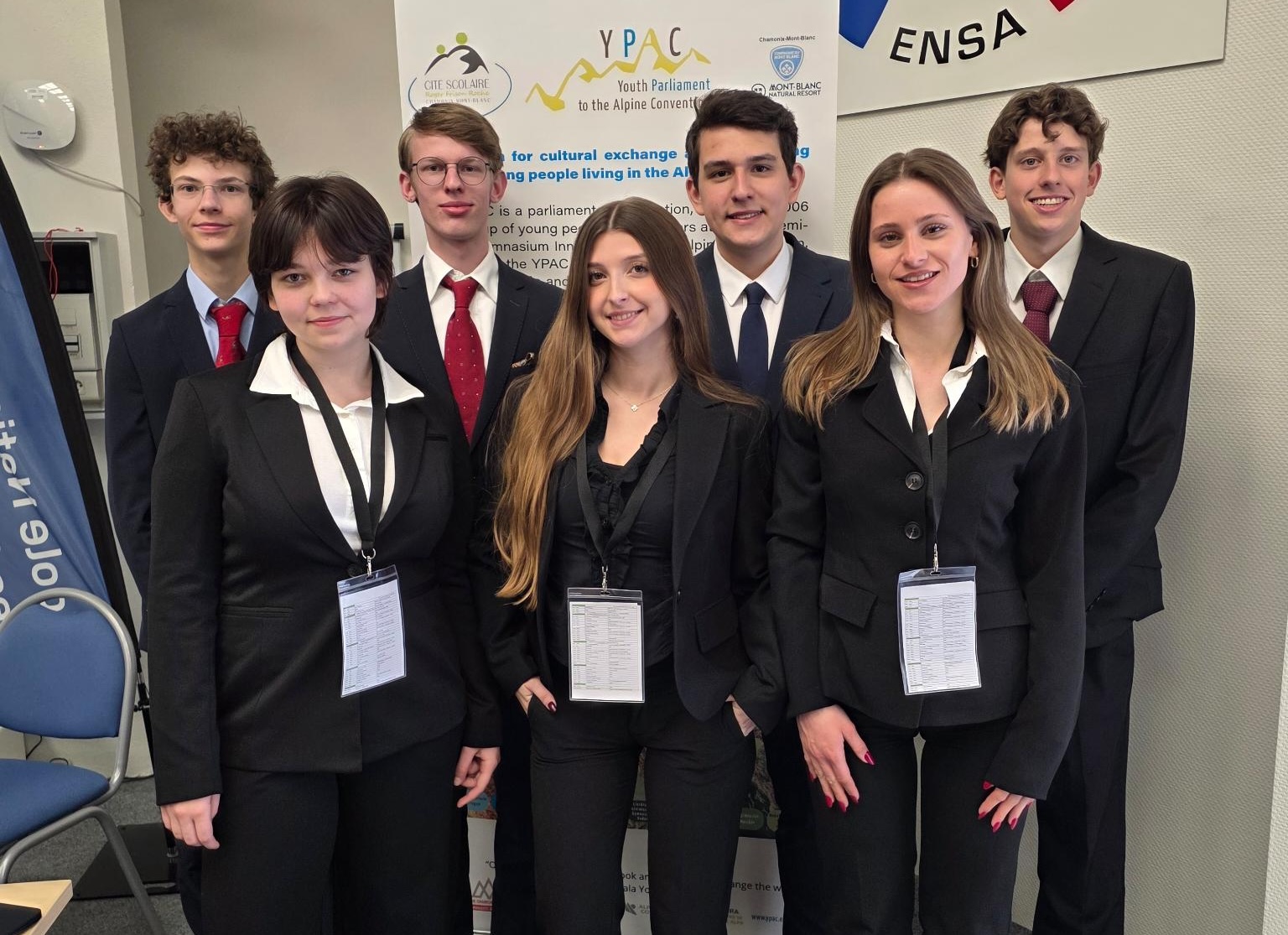
Team Vaduz
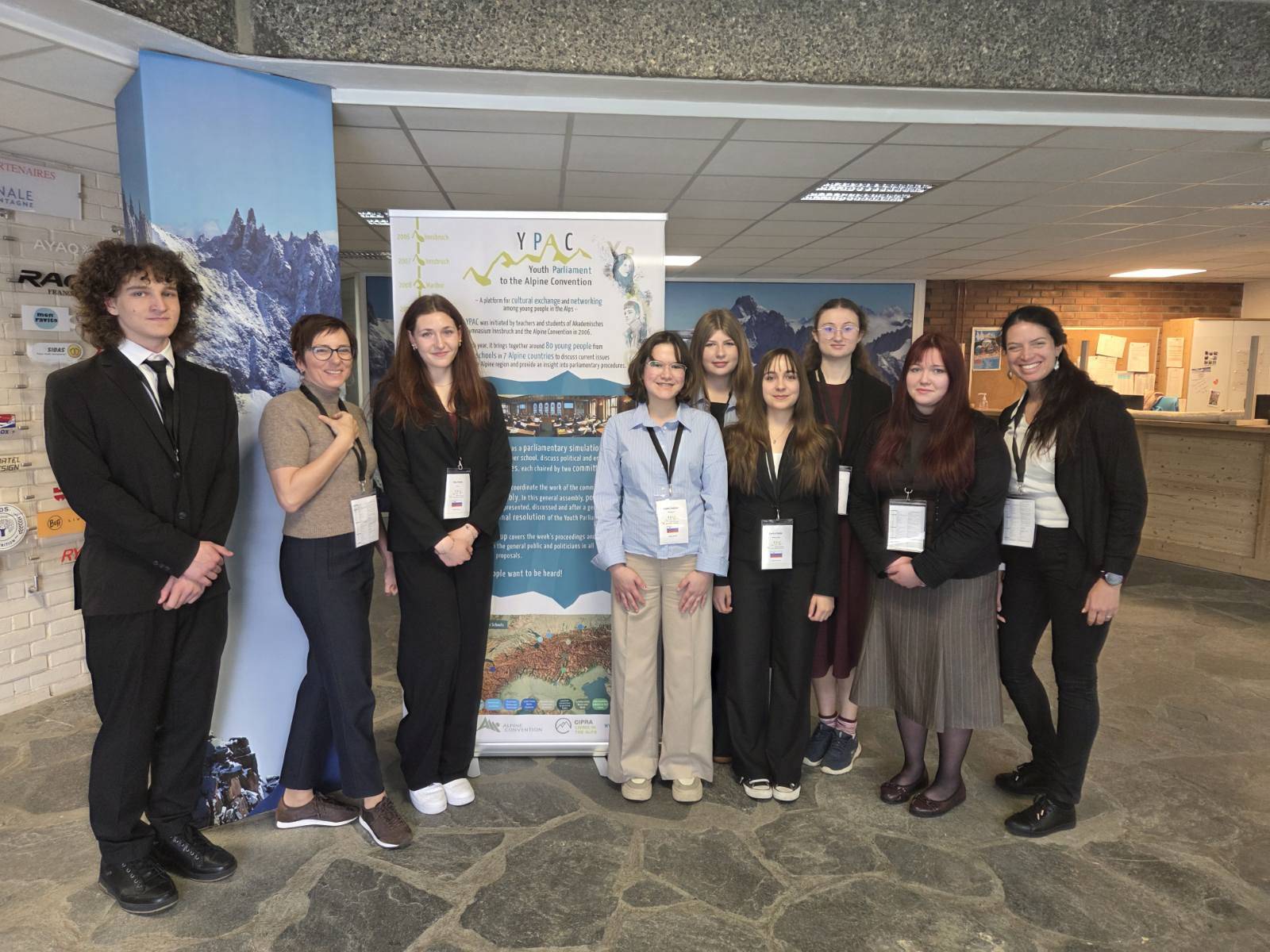
Team Maribor
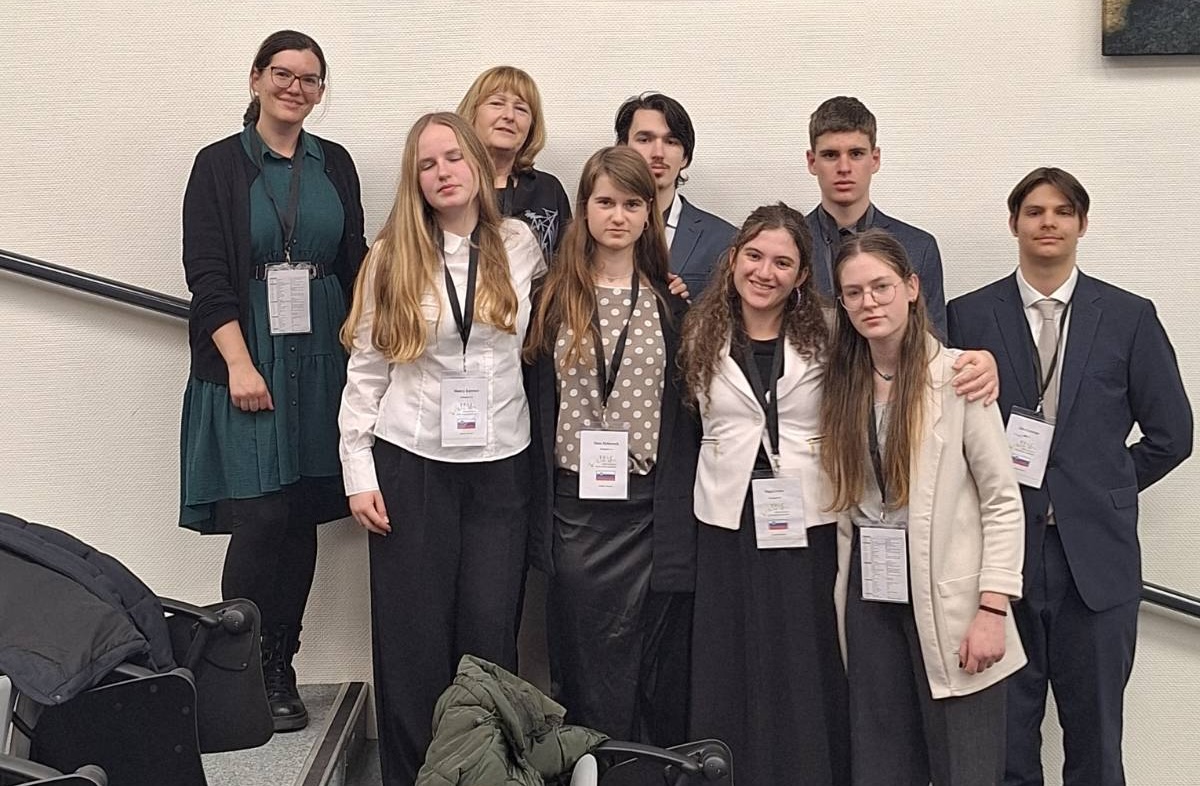
Team Kamnik
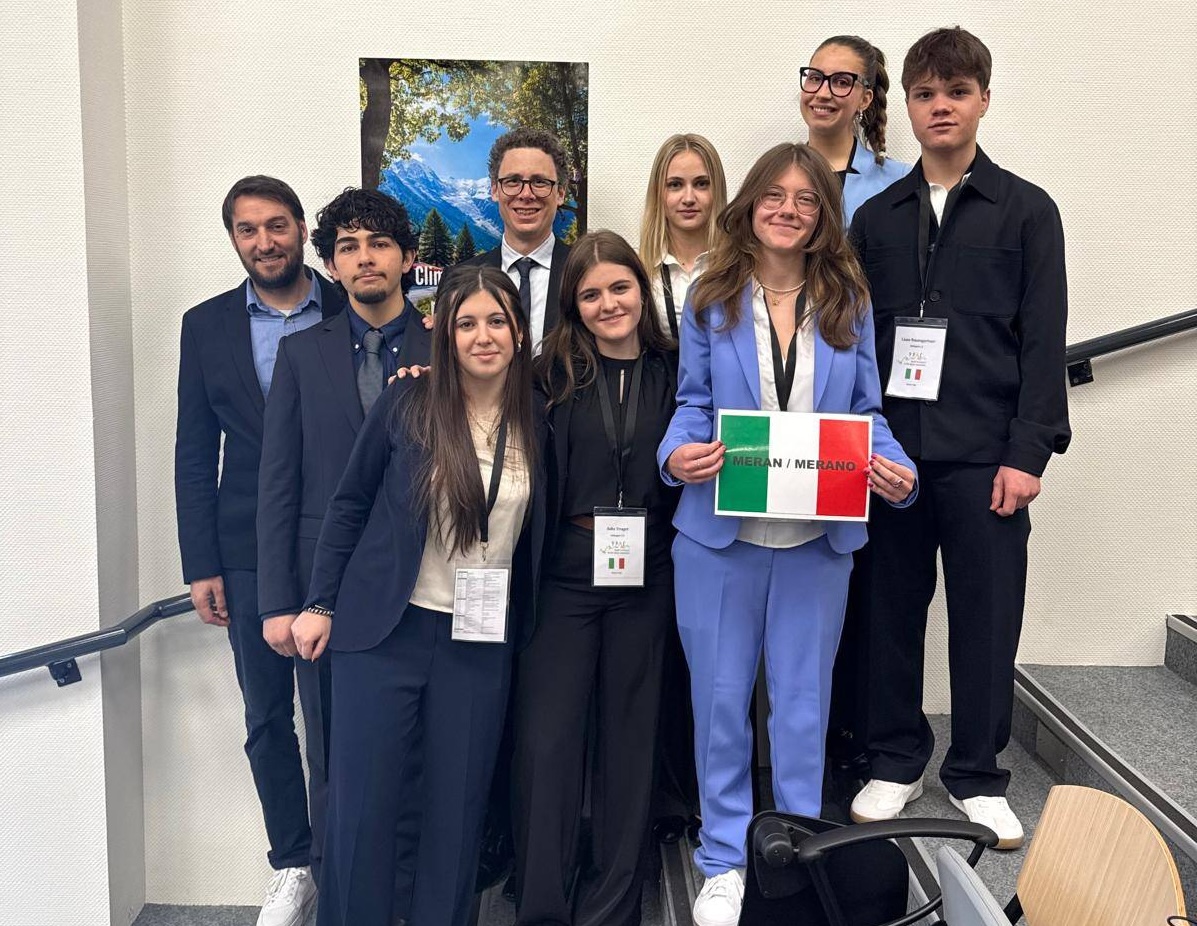
Team Meran(o)
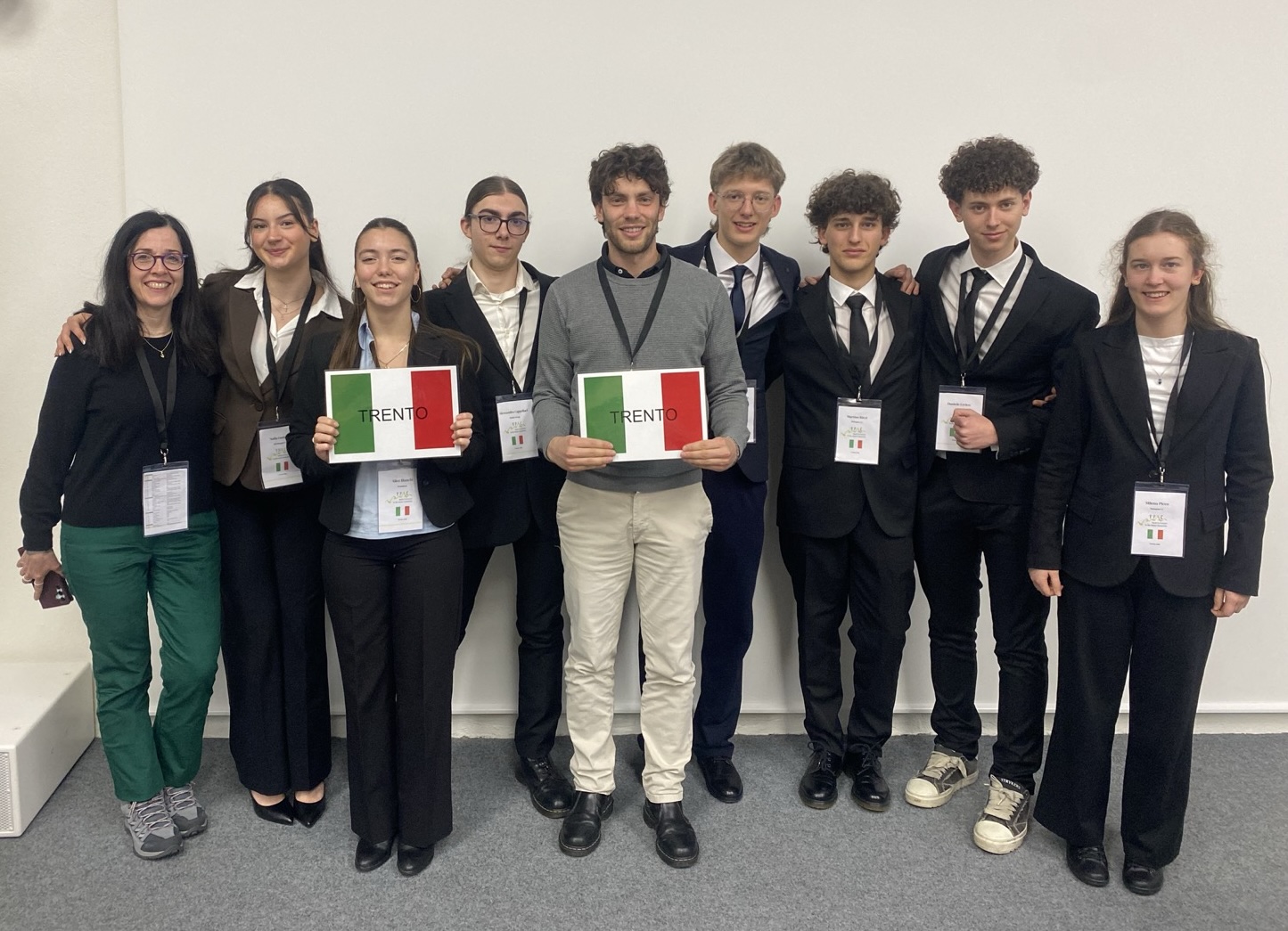
Team Trento
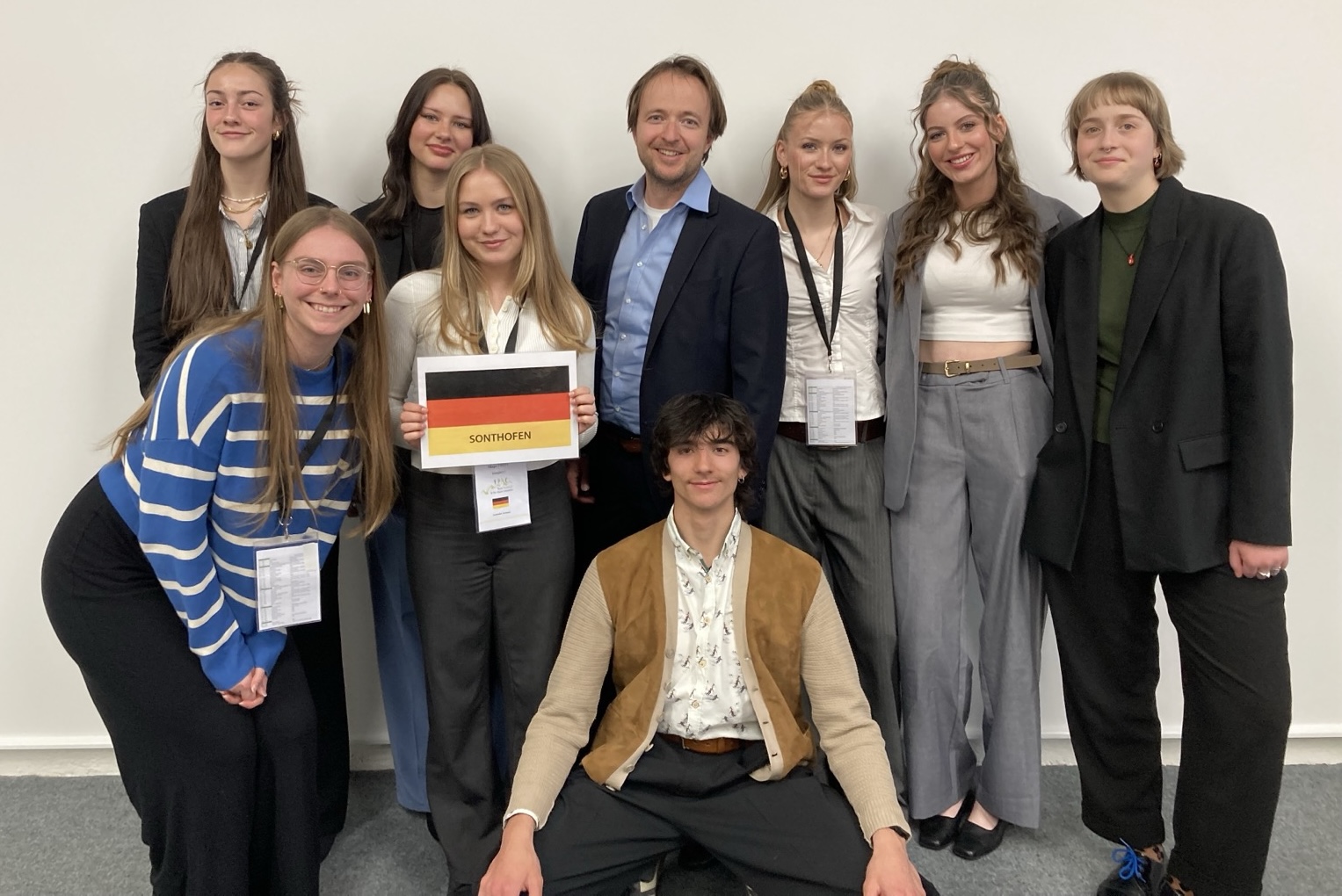
Team Sonthofen
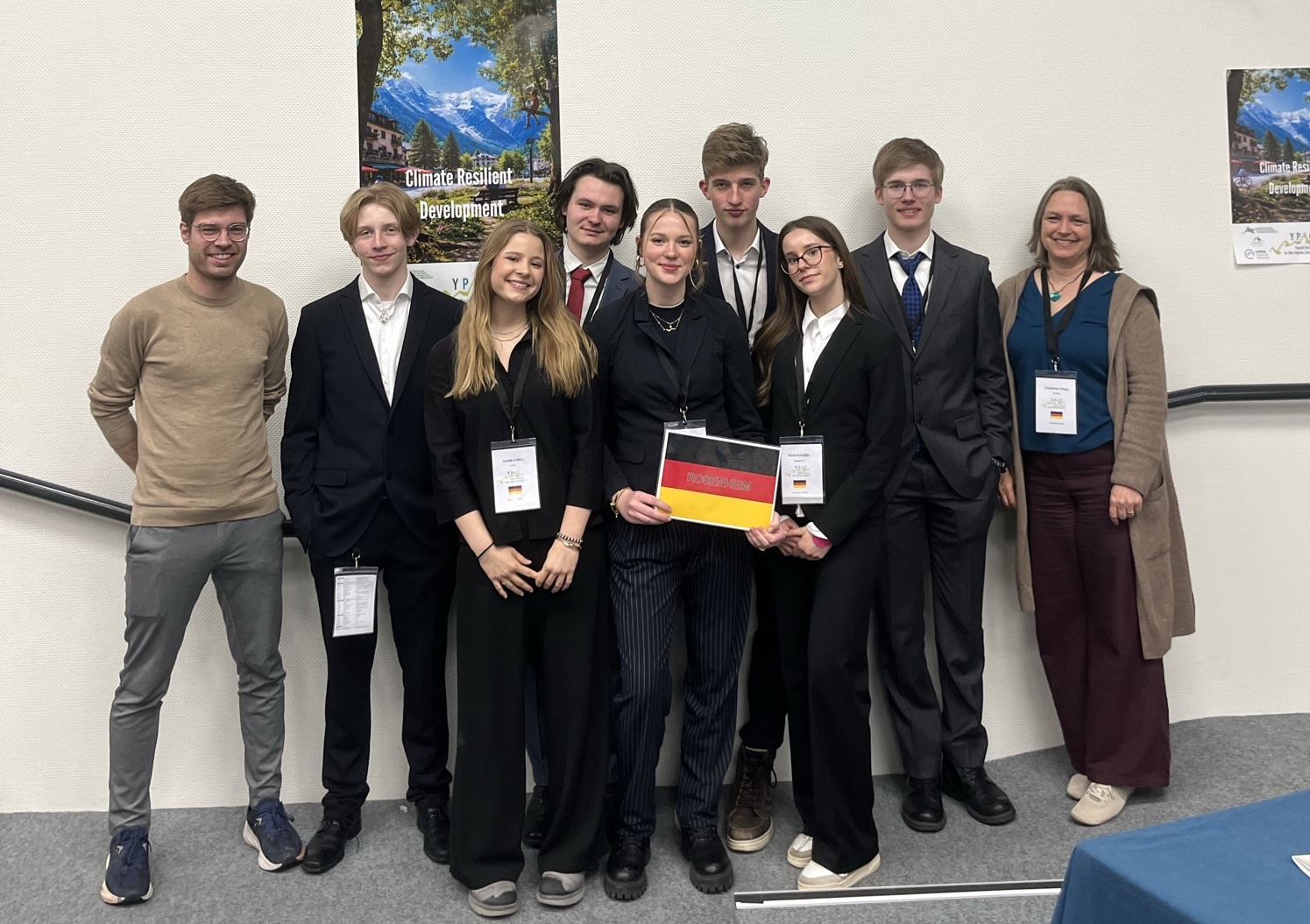
Team Rosenheim
Press
YPAC's Flying Facts
Flying Facts - Tuesday (PDF)
Flying Facts - Wednesday (PDF)
Flying Facts - Thursday (PDF)
Press coverage
Online article: Odhajajo v Chamonix Kamničanka 06/03/2026 (sl) (JPG)
Online article: YPAC II. Gimnazija Maribor spletni časopis Jan - Mar 26 (sl) (PDF)
Newspaper article: Alpen statt Klassenzimmer Tiroler Tageszeitung 16/04/2026 (de) (JPG)
Newspaper article: Mladi, ki jim je mar svetla prihodnost Modre Novice 16/04/2026 (sl) (PDF)